

How to Choose the Right Parking Spot for a Long Road Trip
Planning a road trip in Australia? Get practical parking tips for leaving your car safely before you go and finding convenient spots along the way.

 Written by:
Louise is an SEO Writer for Spacer Technology, creating content for the Parkhound, WhereiPark, Spacer.com.au, and Spacer.com brands. Based in the Philippines, she transitioned from her government office job to copywriting in 2012 and has stayed in content production since.
 Edited by:
The Spacer Technologies content team is a dedicated group of writers and experts with a deep-rooted passion for the sharing economy. Our team is committed to creating informative, engaging, and valuable content across our various platforms. With a keen eye for detail and a talent for simplifying complex topics, we strive to empower our audience with knowledge and insights about the benefits of shared spaces.
Drive safely this winter with practical driving and parking tips for Australian cities. Learn how to handle wet roads, fog, frost, and changing weather conditions.
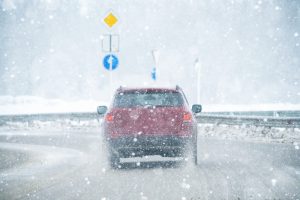
Winter in Australia is often associated with mild temperatures, but that doesn’t mean driving conditions stay the same throughout the colder months. Winter weather can make roads more challenging, especially during early mornings and evening commutes. In some parts of the country, particularly alpine areas, drivers may also encounter icy roads and snow-related hazards. These conditions can affect everything from visibility to tyre grip, making it important to adjust your driving habits and prepare your vehicle before heading out.
The conditions you encounter will also depend on where you are travelling. For instance, a winter drive through Melbourne may involve heavy rain and slippery roads, while a trip through Canberra or alpine regions may require more preparation for frost and icy conditions. However, there are simple but effective ways to better handle winter roads, from adjusting your driving habits to making sure your vehicle is ready for the conditions ahead.
In this guide, we’ll cover essential winter driving and parking tips for Australian cities, including what drivers should know and how to prepare their vehicles for colder conditions.
Winter driving in Australia often comes down to adapting to changing conditions rather than dealing with extreme weather. Rain, fog, frost, and reduced daylight can all affect how well you can see the road and how much control you have over your vehicle. Adjusting your driving habits can help you respond safely when conditions become less predictable.
Adjust Your Speed and Following Distance
One of the simplest ways to improve winter road safety is to slow down and leave more space between vehicles. Wet or slippery roads reduce tyre grip, which means your vehicle may take longer to stop when you brake. Avoid sudden braking, sharp turns, and quick acceleration when roads are wet or icy. Instead, use smooth movements to give your tyres a better chance of maintaining contact with the road, which can help you stay in control if conditions change unexpectedly.
It’s also important to adjust your speed based on the conditions, not just the posted speed limit. A road that is safe to travel at the usual speed on a clear day may require extra caution during heavy rain, fog, or frost.
Improve Visibility in Rain, Fog, and Low Light
Winter mornings often bring reduced visibility, especially during periods of fog, rain, or low light. Before starting your trip, make sure your windscreen, mirrors, and lights are clean and clear.
Use your headlights when visibility is reduced so other drivers can see your vehicle. However, avoid using high beams in fog, as the light can reflect off water droplets and make it harder for you to see ahead.
If fog or heavy rain becomes too difficult to drive through safely, reduce your speed and increase your following distance. When visibility becomes extremely poor, find a safe place to pull over and wait for conditions to improve rather than continuing to drive with limited visibility.
Park Carefully in Winter Conditions
Before driving away, clear any frost, ice, snow, or condensation from your windows, mirrors, and lights. Driving with limited visibility creates unnecessary risks for you and other road users.
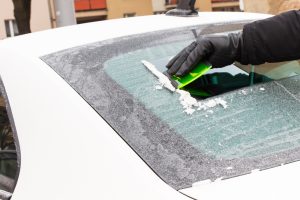
Where you park can also affect how easily you can get back on the road. During periods of heavy rain, avoid areas where water can collect, as sudden weather changes can increase the risk of flooding. In colder regions, consider parking away from areas where falling branches, frost, or ice buildup could become a hazard.
If you’re travelling to alpine areas, use designated parking areas and follow local signs and instructions. Snow-clearing vehicles need clear access to maintain roads and parking areas, so avoid leaving your vehicle where it may obstruct these operations.
Taking a few extra steps when parking and before driving away can make it easier to start your journey safely, especially when conditions are colder or less predictable.
Even with careful preparation, weather conditions can sometimes change quickly. Knowing how to respond can help you stay calm and make safer decisions.
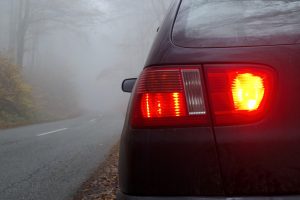
If you suddenly encounter heavy fog that severely reduces visibility:
If your vehicle starts sliding on an icy or slippery road:
If your vehicle becomes stuck in snow:
While safe driving habits can help you manage winter conditions, your vehicle also needs to be ready for the road ahead. The next section covers the essential checks and equipment that can help prepare your car for winter driving.
While adjusting your driving habits can help you handle winter conditions, your vehicle also needs to be ready for the road ahead. Cooler temperatures and changing weather conditions can affect different parts of your car, from tyre performance to battery reliability.
Taking the time to check your vehicle before winter travel can help you identify potential issues early and reduce the risk of problems when you’re on the road. This is especially important when travelling through colder regions where weather conditions can change quickly.
Check Tyre Pressure and Tread Depth
Your tyres are the only part of your vehicle that directly connects with the road, making them especially important during winter. Wet, icy, or slippery surfaces require tyres with enough grip to help maintain control, particularly when braking or turning.
Cold temperatures can cause tyre pressure to drop, which may affect handling, braking performance, and fuel efficiency. Check your tyre pressure regularly and make sure it matches the recommended level listed in your vehicle’s manual or tyre placard.
It’s also important to check your tyre tread depth. Worn tyres have less ability to channel water away from the tyre surface, which can increase the risk of losing traction on wet roads. If you’re travelling to areas where frost, snow, or ice are common, tyres with good tread can help improve your vehicle’s grip in changing conditions.
Test Your Battery Before Colder Mornings
Cold weather can put extra strain on your vehicle’s battery, reducing its ability to deliver power and making it harder for the engine to start. This is especially true if the battery is already old or not holding a full charge.
Since a weak battery may not always show obvious signs before it fails, it’s worth checking its condition before the colder months. Pay attention to warning signs such as slower engine starts, dim headlights, or electrical issues, as these may indicate that your battery needs attention.
If you’re planning a longer winter trip or travelling through colder regions, consider having your battery tested before you leave. Addressing potential issues early can help reduce the chance of being stranded with a vehicle that won’t start when you need it most.
Check Your Fluids for Winter Conditions
Keeping your vehicle’s fluids at the proper levels helps important systems continue working properly during colder conditions. Winter driving can expose your car to rain, road spray, frost, and temperature changes, so checking these fluids before heading out can help prevent avoidable issues.
Engine coolant plays an important role in regulating your vehicle’s temperature and protecting the engine from extreme conditions. Coolant contains antifreeze agents that help prevent freezing in colder environments, which is especially important if you’re travelling through alpine areas or regions with lower temperatures. Make sure the coolant level is within the recommended range and that the fluid is in good condition.
Your windscreen washer fluid is also essential for maintaining visibility during winter. Rain, mud, and road spray can quickly build up on your windscreen, making it harder to see clearly. In colder regions, avoid using plain water in your washer reservoir, as it can freeze and prevent you from cleaning your windscreen when you need it most. Instead, use a suitable windscreen washer fluid designed for colder temperatures and ensure the reservoir is filled before longer trips.
Regularly checking your vehicle’s fluid levels is a simple step that can help keep essential systems working properly and prepare your car for changing winter conditions.
Inspect Your Lights, Brakes, and Windscreen Wipers
Winter often brings conditions that make it harder to see and be seen on the road, which makes your lights and visibility equipment even more important. Before heading out, check that your headlights, brake lights, indicators, and other lights are working properly so you can see clearly and make sure other road users can see you.
Your brakes also need to respond reliably in wet or slippery conditions. While modern vehicles are designed to handle different weather conditions, worn brake components can affect stopping performance when roads are less predictable. Pay attention to signs such as unusual noises, vibrations, or changes in how your brakes feel.
Windscreen wipers play an important role in maintaining visibility during winter rain and road spray. Worn or damaged wiper blades can leave streaks across your windscreen, making it harder to see clearly. Check your wipers regularly and replace them if they no longer clear water effectively.
Taking a few minutes to inspect these essential components before winter travel can help you stay safer on the road and respond better when conditions become challenging.
Pack Essential Winter Driving Equipment
Even with proper vehicle preparation, unexpected situations can still happen on the road. Keeping an emergency kit in your vehicle can help you manage delays, breakdowns, or changing conditions until you can get assistance.
A standard car emergency kit should include items such as a first aid kit, torch, phone charger or power bank, water, basic tools, and a reflective warning device. These items can be useful if you need to stop unexpectedly or wait for help.
If you’re travelling through colder regions or alpine areas, consider carrying additional winter equipment. Snow chains may be required on some roads during snowy conditions, while items such as gloves, warm clothing, blankets, an ice scraper, and extra food supplies can provide added comfort and safety during unexpected delays.
It’s also a good idea to check your emergency supplies before longer trips to make sure everything is working and easy to access. Being prepared means you can respond more calmly if winter conditions affect your journey.
Snow chains are designed to improve tyre grip on snow and ice by helping your vehicle maintain traction on slippery roads. They are not needed for everyday winter driving in most Australian cities, but they can be essential when travelling through alpine areas where snow and icy conditions are more common.
If you’re planning to drive through alpine regions during winter, check road conditions and local requirements before your trip. Some roads may require vehicles to carry or fit snow chains during periods of heavy snow or ice, even if your vehicle has all-wheel drive or four-wheel drive capabilities.
Before travelling, make sure you know how to correctly fit snow chains and check that they are the right size for your tyres. Installing them for the first time in cold or snowy conditions can be difficult, so practising beforehand can help you respond more confidently if conditions change.
Snow chains should only be used when required and removed once you’re back on clear roads, as they can damage both the chains and the road surface when used on clear roads without snow or ice. Understanding when and how to use them before your trip can help you stay prepared when travelling through colder regions.
While preparation can help you handle winter roads more safely, the conditions you encounter will also depend on where you are driving. Different Australian cities have their own winter challenges, from heavy rain and slippery roads to frost and icy conditions.
Winter driving conditions can vary significantly across Australian cities. Some cities mainly experience wet roads and poor visibility, while others are more likely to see frost, icy surfaces, or colder temperatures that require extra preparation. Understanding the conditions you’re likely to encounter can help you plan ahead and adjust your driving when needed.
Melbourne: Rain, Tram Safety, and Slippery Roads
Melbourne winters are typically mild, but frequent rain and cooler temperatures can make roads more challenging. Wet surfaces can reduce tyre grip, while overcast conditions and shorter daylight hours can affect visibility during morning and evening commutes.
Winter conditions to be aware of:
When driving in Melbourne, take extra care around tram tracks, especially when turning or changing lanes. Cross tracks as safely as possible and avoid sudden movements on wet surfaces to maintain control.
Canberra: Frosty Mornings and Occasional Black Ice
Canberra experiences colder winter temperatures than many Australian capital cities, with frost being common on winter mornings. While snow is uncommon within the city, icy patches can form in certain areas, especially early in the day.
Winter conditions to be aware of:
Before driving in Canberra during winter, allow extra time to clear frost from your vehicle and take care on roads that may remain icy after sunrise.
Hobart: Hills and Colder Temperatures
Hobart’s cooler climate means drivers may encounter more frost, rain, and colder road conditions during winter. The city’s hilly terrain can also make wet roads more challenging, especially when travelling on slopes or winding roads.
Winter conditions to be aware of:
When driving in Hobart, maintain a safe speed and allow extra space when travelling on wet or steep roads. Conditions can change quickly when moving between the city and surrounding regions.
Sydney and Brisbane: Heavy Rain and Reduced Visibility
Sydney and Brisbane generally experience milder winters, but heavy rain can still create challenging driving conditions. Sudden downpours can reduce visibility, increase stopping distances, and make roads more slippery.
Winter conditions to be aware of:
During periods of heavy rain, slow down, increase your following distance, and use your headlights when visibility is reduced. Conditions can become more difficult quickly, even when temperatures remain relatively mild.
If you’re visiting Australia and planning to drive during winter, take time to understand the conditions you may encounter and make sure you’re comfortable with your rental vehicle before setting off. Driving on unfamiliar roads can already require extra attention, and changing weather conditions can make the experience more challenging.
Before starting your trip:
If you’re travelling outside major cities, check road conditions before leaving and allow extra time for changing weather. Being prepared before you start driving can help make your winter trip safer and more enjoyable.
Winter driving in Australia isn’t always about snow and ice. Rain, fog, frost, and reduced daylight can all affect road conditions, making it important to adjust your driving habits, prepare your vehicle, and park with care. Taking a few simple precautions before you head out can help you stay safer on the road throughout the colder months.
Before travelling, plan your route and check the latest weather and road conditions, especially if you’re heading to alpine areas or regions where conditions can change quickly. Allow yourself extra travel time when needed and be prepared to adjust your plans if the weather deteriorates.
While winter conditions vary across Australian cities, being prepared remains the best way to reduce risks and travel with confidence. A little planning before your journey can go a long way towards making every winter drive a safer one.
Louise is an SEO Writer for Spacer Technology, creating content for the Parkhound, WhereiPark, Spacer.com.au, and Spacer.com brands. Based in the Philippines, she transitioned from her government office job to copywriting in 2012 and has stayed in content production since.
Louise is an SEO Writer for Spacer Technology, creating content for the Parkhound, WhereiPark, Spacer.com.au, and Spacer.com brands. Based in the Philippines, she transitioned from her government office job to copywriting in 2012 and has stayed in content production since.
Planning a road trip in Australia? Get practical parking tips for leaving your car safely before you go and finding convenient spots along the way.
Wondering whether you need monthly parking or self-storage? Compare costs, use cases, benefits, and find the best solution for long-term vehicle parking or extra storage in Australia and beyond.

Looking for monthly parking in Adelaide CBD? Discover the best parking options by suburb near transit hubs, hospitals, universities, and entertainment precincts for commuters, students, workers, and visitors.
This will close in 0 seconds
This will close in 0 seconds