

Canberra Monthly Parking Guide: Civic, Barton & Braddon Options
Find monthly parking in Canberra’s Civic, Barton and Braddon. Compare parking options, costs, locations and tips for commuters, residents and visitors.

 Written by:
Louise is an SEO Writer for Spacer Technology, creating content for the Parkhound, WhereiPark, Spacer.com.au, and Spacer.com brands. Based in the Philippines, she transitioned from her government office job to copywriting in 2012 and has stayed in content production since.
 Edited by:
The Spacer Technologies content team is a dedicated group of writers and experts with a deep-rooted passion for the sharing economy. Our team is committed to creating informative, engaging, and valuable content across our various platforms. With a keen eye for detail and a talent for simplifying complex topics, we strive to empower our audience with knowledge and insights about the benefits of shared spaces.
Is your car ready for an Aussie summer? Check your aircon, tyres, battery and cooling system with this practical car maintenance checklist.

Key Takeaways:
Australia’s summer heat can put extra strain on your car, particularly its battery, tyres, air-conditioning and cooling system. High temperatures can also make existing maintenance issues worse, increasing the risk of breakdowns when you’re commuting or travelling during the holiday season.
Before the warmer months arrive, it’s worth giving your vehicle a thorough check. From inspecting your tyres and fluid levels to testing your air-conditioning and seat belts, a few simple checks can help keep your car safe, comfortable and ready for summer driving. In this guide, we’ll go over what to look at before the heat sets in.
Before the summer heat arrives, check the parts of your car that affect road grip, visibility and general safety. These simple inspections can help you spot wear or damage early, but anything that needs repair should be assessed by a qualified mechanic.
Start with a walk-around inspection of the visible parts of your vehicle
Tyres, pressure and spare tyre
Hot weather and extended driving can put additional stress on your tyres, making it important to check their condition before summer trips. Look for signs of uneven wear, cracks, cuts, bulges or embedded objects, and check the pressure when the tyres are cold. Use the manufacturer’s recommended settings rather than the maximum pressure printed on the tyre itself. Remember to check the spare tyre as well, including its pressure, and make sure your jack and wheel-changing tools are ready. If you notice damage or unusual wear, have the tyres inspected by a professional before setting off.
Windscreen, wiper blades and washer nozzles
Chips, cracks and ineffective wipers can compromise visibility, especially when summer storms, dust or insects leave the windscreen dirty. Look for damage in the glass, then run the wipers and washers to check that the blades clear the screen without streaking or skipping and that the washer fluid sprays properly. Replace worn blades, top up the washer fluid and have significant windscreen damage professionally assessed.
Exterior lights, indicators and brake lights
Faulty lights make it harder for you to see and for other drivers to recognise when you’re turning or braking. Switch on your headlights, high beams, indicators, hazard lights and parking lights, then ask someone to check your brake and reversing lights. Look for cracked lenses or dim bulbs, clean dirty light covers and replace failed bulbs or arrange a repair if the electrical system is faulty.
Check your vehicle’s fluid levels to help keep its essential systems running smoothly and prevent avoidable problems on the road.
Engine coolant
Coolant helps regulate engine temperature. If the level is too low or the cooling system is leaking, the engine can overheat, potentially causing serious damage. With the engine completely cool, check the coolant reservoir and make sure the level sits between the minimum and maximum markings. Top up only with the coolant type specified in your owner’s manual. Look for leaks or discoloured coolant around the reservoir and hoses and have persistent low levels or suspected leaks checked by a mechanic.
WARNING!
Never remove the radiator cap while the engine is hot!
Pressurised coolant can cause serious burns.
Engine oil
Engine oil lubricates moving parts and helps prevent excessive friction and heat inside the engine. Low oil levels can increase wear and, in severe cases, cause engine damage. Park on level ground, switch off the engine and follow your owner’s manual to check the dipstick. The oil should sit between the minimum and maximum marks. If it’s low, top it up with the recommended oil grade, taking care not to overfill. If the level keeps dropping or you notice oil underneath the vehicle, arrange a mechanical inspection.
Brake fluid
Brake fluid transfers the force from your brake pedal to the braking system. Low fluid levels or contaminated fluid can affect braking performance and may indicate a leak or another problem. Check the reservoir level against its minimum and maximum markings, and look for signs of leaks around the reservoir. If the level is below the minimum, don’t simply top it up and continue driving. Have the braking system inspected by a qualified mechanic, especially if the brake pedal feels unusually soft or a warning light appears.
Windscreen washer fluid
Washer fluid helps clear dust, dirt and insect residue from your windscreen, which can build up during summer driving and obstruct your view. Check the washer reservoir and top it up with a suitable windscreen cleaning solution. Test the washers to make sure the nozzles spray properly and aren’t blocked. If they don’t work after topping up, check for clogged nozzles, damaged hoses or a faulty pump.
Transmission and power steering fluids
Transmission fluid helps lubricate and cool transmission components, while hydraulic power steering fluid helps the steering system operate smoothly. Low or deteriorated fluid can contribute to poor gear changes, transmission overheating or heavier steering. Check the levels only if your vehicle has accessible reservoirs or dipsticks, following the manufacturer’s instructions. Some modern transmissions are sealed, and many newer cars use electric power steering without a fluid reservoir. If you notice leaks, unusual noises, slipping gears or difficulty steering, have the vehicle checked rather than attempting an unfamiliar repair.
Check the key components under the bonnet and around your vehicle to make sure they’re working properly before summer driving puts them under extra strain.
Car battery condition and terminal corrosion
Hot weather can shorten a car battery’s lifespan, and a weak battery may struggle to start the engine when you need it. Look for corrosion or a powdery build-up around the battery terminals, a swollen battery case, or signs of slow engine cranking. Keep the terminals clean and securely connected, but have a mechanic test the battery if it’s old, showing signs of weakness or struggling to start the car. Avoid handling a damaged or leaking battery yourself.
Air-conditioning performance and cabin air filter
A poorly performing air-conditioning system can make driving uncomfortable in high temperatures, while a clogged cabin air filter can restrict airflow and reduce cooling efficiency. Switch on the air-conditioning and check that it produces consistently cool air and that the vents have adequate airflow. If cooling is weak, airflow is reduced or you notice unusual smells, have the system inspected. Replace the cabin air filter according to the vehicle manufacturer’s maintenance schedule, or sooner if it’s dirty.
Radiator and cooling system condition
The radiator helps release heat from the engine, so blockages or physical damage can affect cooling performance and increase the risk of overheating. With the engine switched off and cool, inspect the radiator for bent fins, accumulated dirt or debris, and visible damage. Also check for signs of leaks around the radiator and its connections. If you notice damage, persistent overheating or other cooling problems, have the system inspected by a mechanic.
Drive belts and hoses
Belts help operate important engine components, while hoses carry coolant and other fluids through the vehicle. If a belt snaps or a hose splits, the engine could overheat or lose the operation of essential systems. With the engine switched off and cool, look for cracks, fraying, glazing or looseness on the belts, and check hoses for splits, swelling, brittle sections or signs of leaking. Don’t attempt to adjust or replace components unless you’re confident doing so. Have worn or damaged belts and hoses replaced before a long journey.
Brakes and suspension
Your brakes and suspension need to be in good condition to keep the car stable and responsive, especially when carrying extra passengers or luggage on longer summer trips. Pay attention to squealing or grinding noises, vibrations when braking, a car pulling to one side, or unusual bouncing and handling. Also look for uneven tyre wear, which can indicate suspension or alignment problems. If you notice any of these signs, arrange a professional inspection before travelling.
A note on the checks: These are visual and basic operational inspections, not substitutes for a scheduled service. If you’re unsure about a component’s condition, have a qualified mechanic check it rather than attempting a repair yourself.
Before heading out, check that the safety features, controls and essential equipment inside your vehicle are in good working order.
Seat belts
Seat belts help protect occupants in a collision, so damaged webbing or faulty buckles can compromise their ability to restrain passengers properly. Pull each belt out fully and check for fraying, cuts, twists or other visible damage. Fasten and unfasten the buckle to make sure it locks securely and releases properly, then let the belt retract to check that it moves smoothly. Have any damaged or malfunctioning seat belts repaired or replaced by a qualified professional.
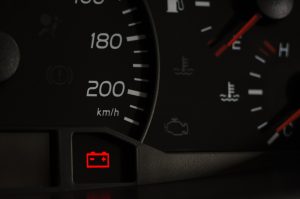
Dashboard warning lights and instrument panel
Your dashboard can alert you to problems with important vehicle systems, including the engine, brakes and battery. When you start the car, check that the warning lights illuminate as part of the system check and then go out as expected. If a warning light stays on, flashes while driving or appears unexpectedly, consult your owner’s manual and arrange an inspection. Don’t ignore warning lights, as they may indicate a problem that needs immediate attention.
Air vents and cabin airflow
Clear airflow helps keep the cabin comfortable and allows the demister to clear condensation from the windows when needed. Check that the vents aren’t blocked by loose items and that air flows from the selected outlets when you adjust the fan and direction controls. Test the heating and demisting settings as well as the air-conditioning, and have the system checked if airflow is weak, uneven or accompanied by unusual noises.
Emergency equipment and first-aid kit
A well-stocked emergency kit can be useful if your car breaks down or someone needs basic first aid while you’re on the road. Check that your first-aid kit is complete and that its contents haven’t expired or been damaged. It’s also worth checking that you have a charged phone, torch, reflective warning equipment and any other essentials suited to your journey. Replace missing or expired supplies before travelling.
Child restraints
A child restraint that’s unsuitable for a child’s size or incorrectly fitted may not provide adequate protection in a crash. Check that the seat or booster is still appropriate for your child’s height and weight, and inspect the harness straps, buckles and anchorage points for wear or damage. Make sure the harness fits snugly without twists and that the restraint is securely installed according to the manufacturer’s instructions. If you’re unsure about the fit or installation, arrange a check with an authorised child restraint fitter.
Getting your car ready is only part of preparing for summer travel. Before setting off, take a few extra steps to plan for hot weather, changing road conditions and unexpected delays.
Pack an emergency kit
Keep a few essentials in your car in case you experience a breakdown or get delayed during your journey. Pack drinking water, a first-aid kit, a torch, a phone charger or power bank, and basic supplies such as snacks and a first-aid blanket. If you’re travelling through remote areas, consider carrying extra water and supplies in case help takes longer to arrive.
Check your roadside assistance coverage
Before a long trip, check whether your roadside assistance membership is current and what it covers. Review the service area, call-out limits and any conditions that may apply if you break down far from home. Save the provider’s contact details somewhere accessible, so you can request help without having to search for them in an emergency.
Plan your route and stops
Long drives can be more tiring in hot weather, so plan regular breaks and identify suitable places to stop along the way. Map out rest areas, fuel stations and, if you’re driving an electric vehicle, charging locations before departure. As a general guide, aim to take a break at least every two hours on longer journeys, and allow extra time for refuelling, recharging and unexpected delays.
Check weather forecasts, road closures and fire warnings
Summer conditions can change quickly, particularly in regional and remote parts of Australia. Check the weather forecast, road conditions, closures and bushfire warnings for your route before leaving, then monitor updates during your trip. Be prepared to change your plans if severe weather, fires or other hazards affect the roads. State emergency services and road authorities provide updates through their websites and apps.
Never leave children or pets unattended in a parked car.
A parked vehicle can heat up to dangerous temperatures very quickly, even when the weather outside feels relatively mild. Always take children and pets with you, even if you expect to be away for only a few minutes.
How often should I check my car before summer?
Give your car a basic inspection before the start of summer, particularly if you haven’t checked it recently. During the warmer months, monitor tyre pressure, fluid levels and warning lights regularly, and follow your manufacturer’s recommended servicing schedule. Before a long road trip, carry out another check to make sure everything is in good condition.
Does hot weather affect car batteries?
Yes. High temperatures can accelerate the chemical reactions inside a car battery, causing internal components to deteriorate faster and shortening its lifespan. Heat can also contribute to corrosion and battery failure. Check the battery for corrosion around the terminals, swelling or other visible damage, and watch for slow engine cranking or difficulty starting. If your battery is several years old or showing signs of weakness, have it tested before a long summer journey.
What tyre pressure is best for summer driving?
There’s no separate summer tyre pressure setting. Use the pressure recommended by your vehicle manufacturer, which is usually listed on the tyre placard inside the driver’s door or in the owner’s manual. Check the pressure when the tyres are cold, ideally before driving, and inspect them at least monthly and before longer trips. Tyre pressure naturally increases as tyres heat up during driving, so don’t release air just because the reading is higher after a journey.
How do I stop my car from overheating in hot weather?
Keep your cooling system in good condition by checking coolant levels, inspecting the radiator and hoses for damage or leaks, and following your vehicle’s recommended servicing schedule. Monitor the temperature gauge while driving, particularly in heavy traffic or during long journeys. If the temperature rises unusually high, pull over somewhere safe, switch off the engine and allow it to cool. If the problem persists or you notice steam, leaks or warning lights, contact roadside assistance rather than continuing to drive.
A few simple checks can help prevent summer breakdowns and keep your car safe and comfortable on the road. If you spot any warning signs or haven’t had your vehicle serviced recently, arrange a professional inspection before your next trip.
Leaving your car unused while travelling?
Louise is an SEO Writer for Spacer Technology, creating content for the Parkhound, WhereiPark, Spacer.com.au, and Spacer.com brands. Based in the Philippines, she transitioned from her government office job to copywriting in 2012 and has stayed in content production since.
Louise is an SEO Writer for Spacer Technology, creating content for the Parkhound, WhereiPark, Spacer.com.au, and Spacer.com brands. Based in the Philippines, she transitioned from her government office job to copywriting in 2012 and has stayed in content production since.
Find monthly parking in Canberra’s Civic, Barton and Braddon. Compare parking options, costs, locations and tips for commuters, residents and visitors.

Planning a road trip in Australia? Get practical parking tips for leaving your car safely before you go and finding convenient spots along the way.

Drive safely this winter with practical driving and parking tips for Australian cities. Learn how to handle wet roads, fog, frost, and changing weather conditions.
This will close in 0 seconds
This will close in 0 seconds