

Canberra Monthly Parking Guide: Civic, Barton & Braddon Options
Find monthly parking in Canberra’s Civic, Barton and Braddon. Compare parking options, costs, locations and tips for commuters, residents and visitors.

 Written by:
Louise is an SEO Writer for Spacer Technology, creating content for the Parkhound, WhereiPark, Spacer.com.au, and Spacer.com brands. Based in the Philippines, she transitioned from her government office job to copywriting in 2012 and has stayed in content production since.
 Edited by:
The Spacer Technologies content team is a dedicated group of writers and experts with a deep-rooted passion for the sharing economy. Our team is committed to creating informative, engaging, and valuable content across our various platforms. With a keen eye for detail and a talent for simplifying complex topics, we strive to empower our audience with knowledge and insights about the benefits of shared spaces.
Confused about clearway rules in Australia? Learn how clearways work, sign meanings, operating times, fines, and tips for locals and tourists to avoid penalties.
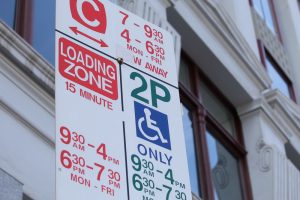
Clearways are designated sections of road where stopping or parking is not allowed during specific times of the day. They are commonly used on busy roads across Australian cities to help reduce congestion and keep traffic moving during peak periods.
Clearway restrictions only apply during the times shown on the sign, which means the same stretch of road may allow parking outside those hours. This is where confusion often happens, especially for visitors who are not familiar with Australian road signs. Understanding how clearways work, including when they apply and what the signs mean, is key to avoiding fines or having your vehicle towed.
In this guide, we’ll explain what clearways are and how they operate on Australian roads.
Also Read: Top Security Features to Look for in a Parking Spot in Australia
A clearway is a section of road where stopping and parking are not allowed during specific, signposted times. These zones are usually introduced on busy roads to improve traffic flow during peak hours.
Unlike other common roadside restrictions, clearways are time-based and often misunderstood. The key difference between the main types of restrictions is:
Outside clearway operating hours, parking may be allowed depending on the signage. This makes it important to read signs carefully, as rules can change by time and day.
Clearways are typically found on main roads in major cities, where even a single parked vehicle can slow down traffic. By keeping these lanes clear, traffic can move more efficiently and safely.
Once you understand the basics, the next step is knowing how clearway signs indicate when and where the rules apply.
Clearway signs show when the restriction applies. They usually include specific days and time ranges, such as weekday morning and afternoon peak periods.
Arrows on the sign indicate the direction of the clearway. This tells you exactly which section of the road the rule applies to. If you are parked within the marked area during active times, you are in violation.
Because the restrictions are time-based, the same parking spot may be legal at one time and not at another. This is a common source of confusion, especially in unfamiliar areas. Always check the nearest sign rather than relying on memory or nearby parked cars.
With the signage understood, it is important to look at what drivers are actually required to do when a clearway is in effect.
When a clearway is in operation, drivers must follow strict restrictions to ensure traffic can flow without obstruction. The key rules are:
While these rules apply broadly across Australia, there are slight differences in how they are enforced between states and territories. For example, signage formats and towing procedures may vary between New South Wales, Victoria, and other regions. However, the core principle remains the same: clearways must remain free of stationary vehicles during operating hours.
With these penalties in mind, it’s worth revisiting the key things to remember about clearway rules in Australia.
Clearway rules are broadly consistent across Australia, but there are small differences in signage, enforcement, and local application depending on the state or territory.
Despite these differences, the core rule remains the same nationwide: do not stop or park in a clearway during its operating times.
Parking or stopping in a clearway during operating hours can result in significant penalties. In most Australian cities, enforcement is strict because clearways are used on high-traffic roads where even short delays can cause congestion. Penalties typically include:
For visitors and rental car drivers, clearway zones are one of the most common sources of unexpected fines. A short stop to check directions or pick up passengers can still result in a penalty if it occurs during operating hours.
Because enforcement is immediate in many locations, even brief stops can lead to penalties. The safest approach is to always check signage before stopping near a clearway zone.
Clearways are an important part of managing traffic on busy Australian roads, especially during peak travel times. The key thing to remember is that they are time-based restrictions, which means the same section of road can allow parking at one time and prohibit it at another.
Always check the nearest sign before stopping or parking, paying attention to the days, times, and direction of the clearway. Even brief stops during operating hours can result in fines or towing, so caution is essential.
While enforcement and signage may vary slightly between states, the core rule remains consistent across Australia: do not stop or park in a clearway when it is active.
For both local drivers and visitors, the safest approach is to treat clearway signs as strictly enforceable at all times. A quick check before leaving your vehicle can help avoid unnecessary penalties and ensure a smoother driving experience.
Louise is an SEO Writer for Spacer Technology, creating content for the Parkhound, WhereiPark, Spacer.com.au, and Spacer.com brands. Based in the Philippines, she transitioned from her government office job to copywriting in 2012 and has stayed in content production since.
Louise is an SEO Writer for Spacer Technology, creating content for the Parkhound, WhereiPark, Spacer.com.au, and Spacer.com brands. Based in the Philippines, she transitioned from her government office job to copywriting in 2012 and has stayed in content production since.
Find monthly parking in Canberra’s Civic, Barton and Braddon. Compare parking options, costs, locations and tips for commuters, residents and visitors.

Planning a road trip in Australia? Get practical parking tips for leaving your car safely before you go and finding convenient spots along the way.

Drive safely this winter with practical driving and parking tips for Australian cities. Learn how to handle wet roads, fog, frost, and changing weather conditions.
This will close in 0 seconds
This will close in 0 seconds