

Canberra Monthly Parking Guide: Civic, Barton & Braddon Options
Find monthly parking in Canberra’s Civic, Barton and Braddon. Compare parking options, costs, locations and tips for commuters, residents and visitors.

 Written by:
Louise is an SEO Writer for Spacer Technology, creating content for the Parkhound, WhereiPark, Spacer.com.au, and Spacer.com brands. Based in the Philippines, she transitioned from her government office job to copywriting in 2012 and has stayed in content production since.
 Edited by:
Zarah Mae Torrazo is the Senior Copywriter at Spacer Technology, creating content for the Parkhound, WhereiPark, Spacer.com.au, and Spacer.com brands. Based in the Philippines, she specializes in a range of topics including real estate, health, finance, and wellness and has almost 10 years of experience creating informative and engaging content.
Holiday travel can reduce parking availability and change local rules. Learn how holidays affect city parking and what drivers can do to prepare.
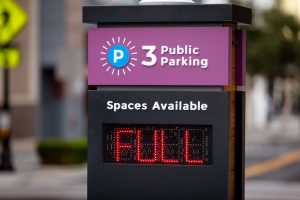
According to national travel data published by the Bureau of Infrastructure and Transport Research Economics (BITRE), holiday periods consistently show higher road usage and congestion across major cities and key tourist routes. Holiday travel places extra strain on parking in Australian cities and regional centres as simultaneous public holidays, school holiday periods, and peak travel seasons lead to more people driving at the same time. Traffic patterns shift as commuters take leave, tourists arrive, and events draw larger crowds, and areas that already have limited parking.
These conditions influence a wide range of drivers, as locals who usually rely on public transport may choose to drive during holidays. Those who may be unfamiliar with local parking restrictions or seasonal changes, as well as visitors or tourists driving into the city may not realise how quickly parking fills during peak periods. Knowing why parking becomes more difficult during holidays helps drivers prepare and avoid common mistakes.
Also Read: Why Monthly Parking Beats Daily Parking Costs in Major Cities
Holiday travel affects both how much parking is available and how long spaces stay occupied. During peak periods, parking is usually harder to secure due to several factors, such as:
Increased demand from tourists and returning locals
Parking demand near city centres, beaches, and major attractions increase as school holidays and public holidays bring domestic travellers. In addition, residents working abroad or in another state return home for the holidays, and international visitors and tourists also add to the crowd.
Reduced supply due to closures or events
Large scale events are usually held during holidays, and councils may close streets for festivals, parades, or maintenance. Temporary no-parking zones are also common during events and are enforced as signed, increasing the difficulty finding parking.
Public holiday parking rules vary by city
Parking signage and enforcement differ between councils, and while some cities offer free parking on public holidays, others enforce normal rules. Free parking on holidays may increase the competition in areas close to event venues.
Higher traffic volumes and longer stays
National data from BITRE shows increased road travel during holiday periods. Cars are often parked for longer due to day trips, events, or extended stays, which reduces turnover.
Changed time limits and enforcement schedules
Public holiday enforcement policies are reviewed regularly and may be changed or updated according to the previous demand, so assuming the same rules apply annually may result in penalties. It’s important to stay updated on council announcements and read parking signs to avoid getting fined or towed.
Busy urban and tourist usually experience a variety of parking challenges that may catch drivers off guard, such as:
Limited on-street parking near popular locations
Areas close to beaches, shopping precincts, event venues, and dining hubs fill quickly during holidays. Even spaces that are normally available during off-peak times may be occupied early in the day.
Confusing or unfamiliar signage
Temporary signs are often installed for events, construction, or holiday traffic management. Public holiday rules may also override standard parking regulations, so drivers who rely on their knowledge of usual parking rules may be in for a ticket or towing surprise. Drivers who are unfamiliar with local signage may also miss these changes.
Faster turnover of time-limited spaces
Short-stay parking reaches capacity sooner as more drivers compete for the same spaces. This increases circulation traffic and makes finding legal parking more difficult.
Higher risk of fines
Some cities suspend parking rules or meter operations on public holidays, while others continue enforcement. Drivers who are used to holiday suspensions may mistakenly assume the same applies when visiting another city, increasing the risk of ignoring signage or failing to pay.
Reduced availability near transport hubs and attractions
Train stations, ferry terminals, and major attractions experience higher demand from travellers who park for extended periods, leading to increased competition and faster turnovers.
While holiday parking can be challenging, a few practical steps can improve your chances of finding a legal space.
Plan ahead and check local parking rules
Review council parking pages before you travel, especially around public holidays. Many councils publish holiday enforcement details and temporary restrictions in their website or social media pages.
Allow extra time and be prepared to walk
When attending a holiday event, arriving earlier and parking slightly further away from the venue can reduce stress and save time compared to circling busy streets.
Use off-street parking or park-and-ride facilities
Car parks and park-and-ride options near train stations usually offer more predictable availability compared to parking facilities and on-street parking close to event venues.
Avoid peak arrival times
Late mornings and early afternoons are often the busiest during holidays, particularly near attractions and beaches. The chances of securing a parking spot quicker increase by arriving earlier in the day or in the evening after peak times.
Consider public transport during busy periods
Public transport services often operate on holiday timetables, and some even open special routes or extend operation hours when major events are hosted in the city.
Reserve a parking spot in advance with Spacer
Spacer connects drivers with verified parking spaces that suit different needs and budgets. You can compare locations, pricing, and features in one place and book with confidence.
Holiday parking can feel unpredictable, but it is rarely unmanageable. Most challenges come from increased demand, temporary restrictions, and unfamiliar rules rather than a complete lack of options. By understanding how holiday travel affects parking and checking local guidance in advance, drivers can avoid common issues like overstaying time limits or parking in restricted areas.
Smart planning for holiday parking helps avoid unnecessary fines and parking stress, especially during large scale holiday events. Doing away with parking stress with a little preparation allows both locals and tourists to focus on enjoying their holiday trip to the fullest.
Louise is an SEO Writer for Spacer Technology, creating content for the Parkhound, WhereiPark, Spacer.com.au, and Spacer.com brands. Based in the Philippines, she transitioned from her government office job to copywriting in 2012 and has stayed in content production since.
Louise is an SEO Writer for Spacer Technology, creating content for the Parkhound, WhereiPark, Spacer.com.au, and Spacer.com brands. Based in the Philippines, she transitioned from her government office job to copywriting in 2012 and has stayed in content production since.
Find monthly parking in Canberra’s Civic, Barton and Braddon. Compare parking options, costs, locations and tips for commuters, residents and visitors.

Planning a road trip in Australia? Get practical parking tips for leaving your car safely before you go and finding convenient spots along the way.
Drive safely this winter with practical driving and parking tips for Australian cities. Learn how to handle wet roads, fog, frost, and changing weather conditions.
This will close in 0 seconds
This will close in 0 seconds