

Canberra Monthly Parking Guide: Civic, Barton & Braddon Options
Find monthly parking in Canberra’s Civic, Barton and Braddon. Compare parking options, costs, locations and tips for commuters, residents and visitors.

 Written by:
Louise is an SEO Writer for Spacer Technology, creating content for the Parkhound, WhereiPark, Spacer.com.au, and Spacer.com brands. Based in the Philippines, she transitioned from her government office job to copywriting in 2012 and has stayed in content production since.
 Edited by:
Zarah Mae Torrazo is the Senior Copywriter at Spacer Technology, creating content for the Parkhound, WhereiPark, Spacer.com.au, and Spacer.com brands. Based in the Philippines, she specializes in a range of topics including real estate, health, finance, and wellness and has almost 10 years of experience creating informative and engaging content.
Need long-term car parking? Discover how to choose a secure, convenient, and cost-effective parking option with this practical guide.
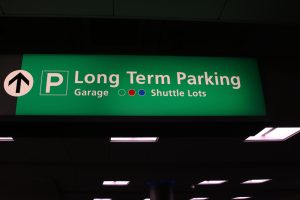
Leaving your car in an unsuitable parking location or facility can lead to higher costs, security concerns, or inconvenient access over time. Parking is not just about finding a place to leave your car. It is a practical decision that should work with your routine, travel plans, and budget. This is especially relevant for people who commute regularly for work or business, as well as travellers staying away for extended periods.
Choosing the right long-term car parking can make day-to-day life easier, while the wrong option may result in higher expenses, added inconvenience, or unexpected penalties. Unfamiliar locations can also make it harder to assess safety and accessibility. Taking the time to understand these factors helps you avoid common issues and select a long-term parking option that is secure, convenient, and cost-effective.
This guide explains why long-term parking is worth considering and outlines the key factors to help you choose an option that suits your situation.
Before deciding on a long-term car parking space, it’s important to first be clear about your actual needs. Long-term parking can mean different things depending on your situation, so consider the following first:
Choosing long-term car parking involves more than comparing prices. The following factors help ensure the option you choose is practical, secure, and suitable for long-term use.
Australia offers several long-term parking options, each with different levels of cost, security, and convenience.
Street parking vs private facilities
Street parking may seem affordable, but it often comes with time limits, permit requirements, and enforcement risks. Rules vary by council and are reviewed regularly, so long stays can lead to fines or towing. Private facilities, while typically more expensive, offer clearer terms, enhanced security, and fewer restrictions, making them better suited for long-term use.
Dedicated long-term parking providers
Dedicated providers specialise in long-term stays and typically offer monthly rates, secure access, and optional services like vehicle checks or airport transfers. These facilities are common near airports, CBDs, and major transport hubs.
Online parking platforms like Spacer
Looking for flexible and secure long-term parking across Australia? Spacer connects drivers with verified parking spaces that suit different needs and budgets. You can compare locations, pricing, and features in one place and book with confidence.
If you rarely or never need access to your vehicle, car storage may be more suitable than parking. Storage facilities prioritise security and protection over accessibility, which can be ideal for extended overseas travel or temporary relocation.
Choosing the right long-term car parking starts with understanding your needs, how long you will park, how often you need access, and where the location makes sense. Comparing parking types, reviewing security features, checking contract terms, and considering weather protection all help reduce risk and unexpected costs over time.
The best option is rarely the cheapest upfront. A balanced decision considers affordability, security, and convenience together. This approach helps protect your vehicle, saves time, and avoids issues linked to unfamiliar locations or restrictive conditions.
Louise is an SEO Writer for Spacer Technology, creating content for the Parkhound, WhereiPark, Spacer.com.au, and Spacer.com brands. Based in the Philippines, she transitioned from her government office job to copywriting in 2012 and has stayed in content production since.
Louise is an SEO Writer for Spacer Technology, creating content for the Parkhound, WhereiPark, Spacer.com.au, and Spacer.com brands. Based in the Philippines, she transitioned from her government office job to copywriting in 2012 and has stayed in content production since.
Find monthly parking in Canberra’s Civic, Barton and Braddon. Compare parking options, costs, locations and tips for commuters, residents and visitors.

Planning a road trip in Australia? Get practical parking tips for leaving your car safely before you go and finding convenient spots along the way.

Drive safely this winter with practical driving and parking tips for Australian cities. Learn how to handle wet roads, fog, frost, and changing weather conditions.
This will close in 0 seconds
This will close in 0 seconds